Practical Metal Roofing Benefits That Last
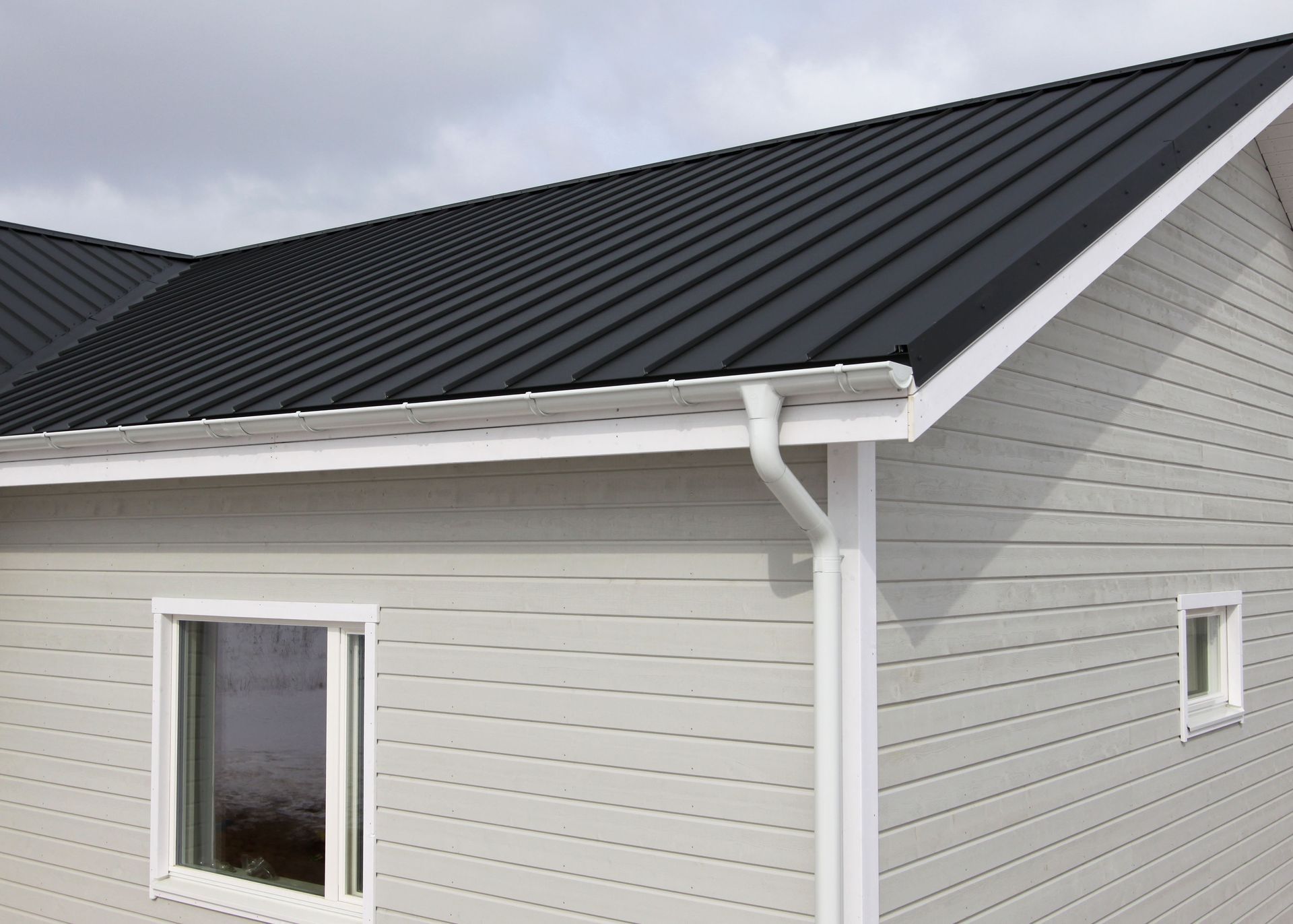
Metal roofing has become a practical option for property owners who want long-term performance without frequent repairs or replacements. It is often chosen for its balance of durability, efficiency, and design flexibility across residential and commercial projects. As priorities shift toward sustainability and lower lifetime costs, more decision-makers are evaluating roofing through long-term value instead of upfront price alone.
Energy performance and environmental impact are also shaping material choices. Homeowners increasingly want solutions that help reduce utility costs while supporting more efficient resource use. In that context, metal roofing integrates well with insulation systems and modern energy strategies. It also adapts easily to different architectural styles, making it suitable for both upgrades and new construction. The sections below outline the key practical benefits in a clear, structured way focused on real-world performance.
Enhancing Durability and Longevity
Metal roofing is known for its ability to withstand harsh weather conditions over long periods. It performs well in heavy rain, wind, and temperature changes that typically weaken other materials. This makes it a reliable choice for regions with seasonal extremes.
It also offers strong impact resistance. Hail, debris, and falling branches are less likely to cause serious damage compared to traditional roofing. This reduces repair frequency and helps maintain consistent protection over time.
Lifespan is another major advantage. Compared to conventional materials, metal roofing can last significantly longer with proper installation. This reduces replacement cycles and spreads costs across decades of use, improving long-term value.
In addition to structural durability, metal systems maintain performance consistency over time. They do not easily crack, curl, or degrade under sun exposure the way some materials do. This stability helps preserve both function and appearance, which is especially important for long-term property maintenance planning.
Improving Energy Efficiency
One of the key benefits is its reflective surface, which helps reduce heat absorption during warmer months. This supports cooler indoor temperatures and lowers reliance on air conditioning systems. As a result, energy usage becomes more balanced throughout the year.
When combined with proper insulation, performance improves further by stabilizing indoor temperatures in both hot and cold seasons. This layered system reduces strain on heating and cooling equipment and supports long-term efficiency.
According to the Metal Roofing Alliance, metal roofing accounts for roughly 17% of the residential market, driven largely by durability and energy efficiency gains. This reflects steady growth as homeowners prioritize long-term performance.
Energy efficiency also extends to reduced peak energy demand. Homes with reflective roofing systems often experience less temperature fluctuation, which can reduce strain on local power grids during high-demand seasons. Over time, this contributes to both financial savings and broader energy stability.
Reducing Maintenance Burden
Metal roofing requires less maintenance than many traditional systems. It resists common issues like rot, mold, and insect damage, which reduces ongoing repair needs. This makes upkeep more predictable and less time-consuming.
Routine care usually involves occasional inspections and basic cleaning. Because the material is stable under changing weather conditions, major repairs are less frequent. This helps lower long-term maintenance expenses.
Its structural stability also reduces risks linked to seasonal expansion and contraction. That means fewer adjustments are needed over time, improving reliability for property owners seeking low-maintenance solutions.
Another practical advantage is that surface coatings help preserve finish quality over time. These protective layers reduce fading and corrosion, which helps maintain a consistent appearance for years without major refinishing work.
Increasing Design Versatility
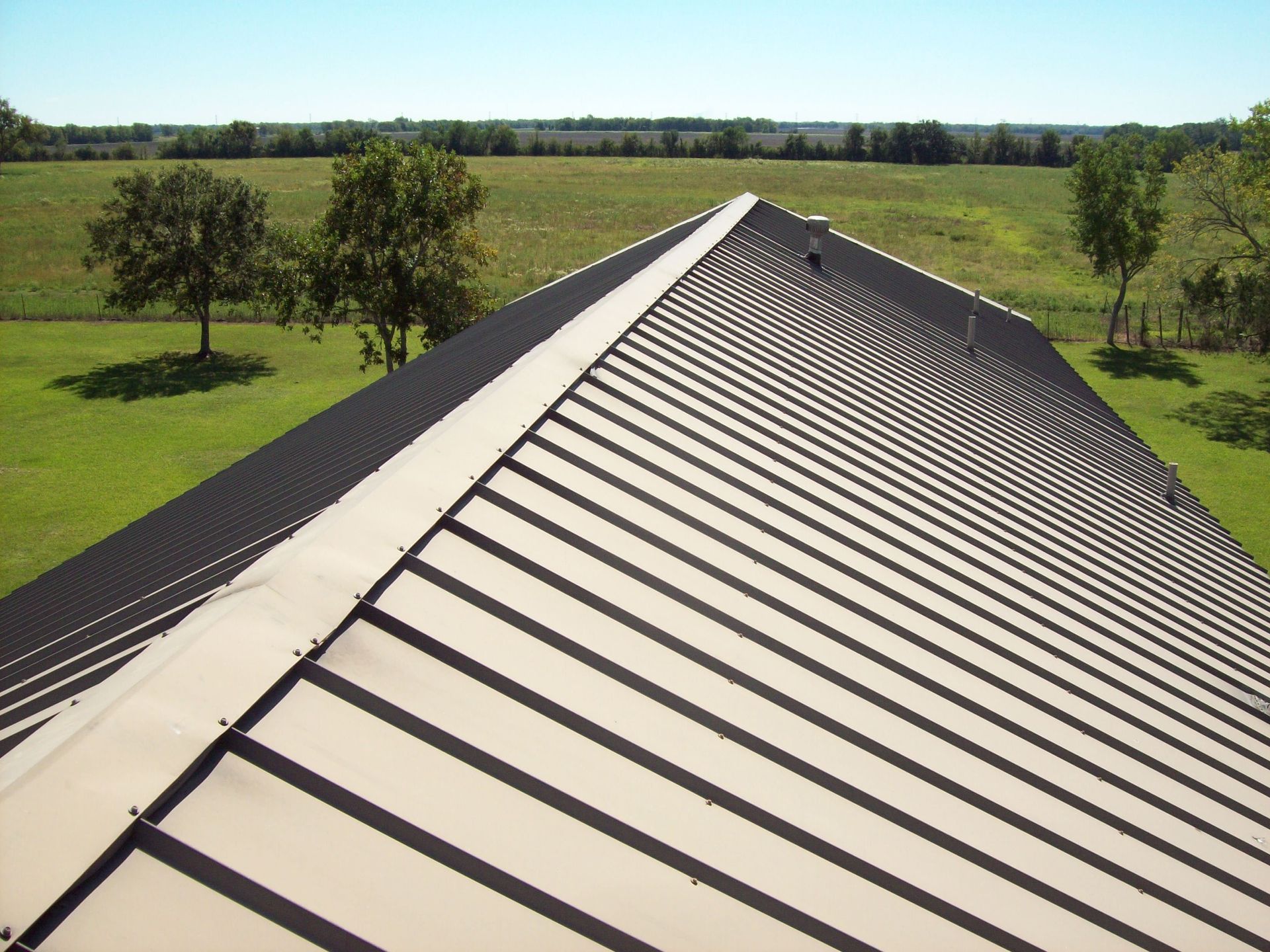
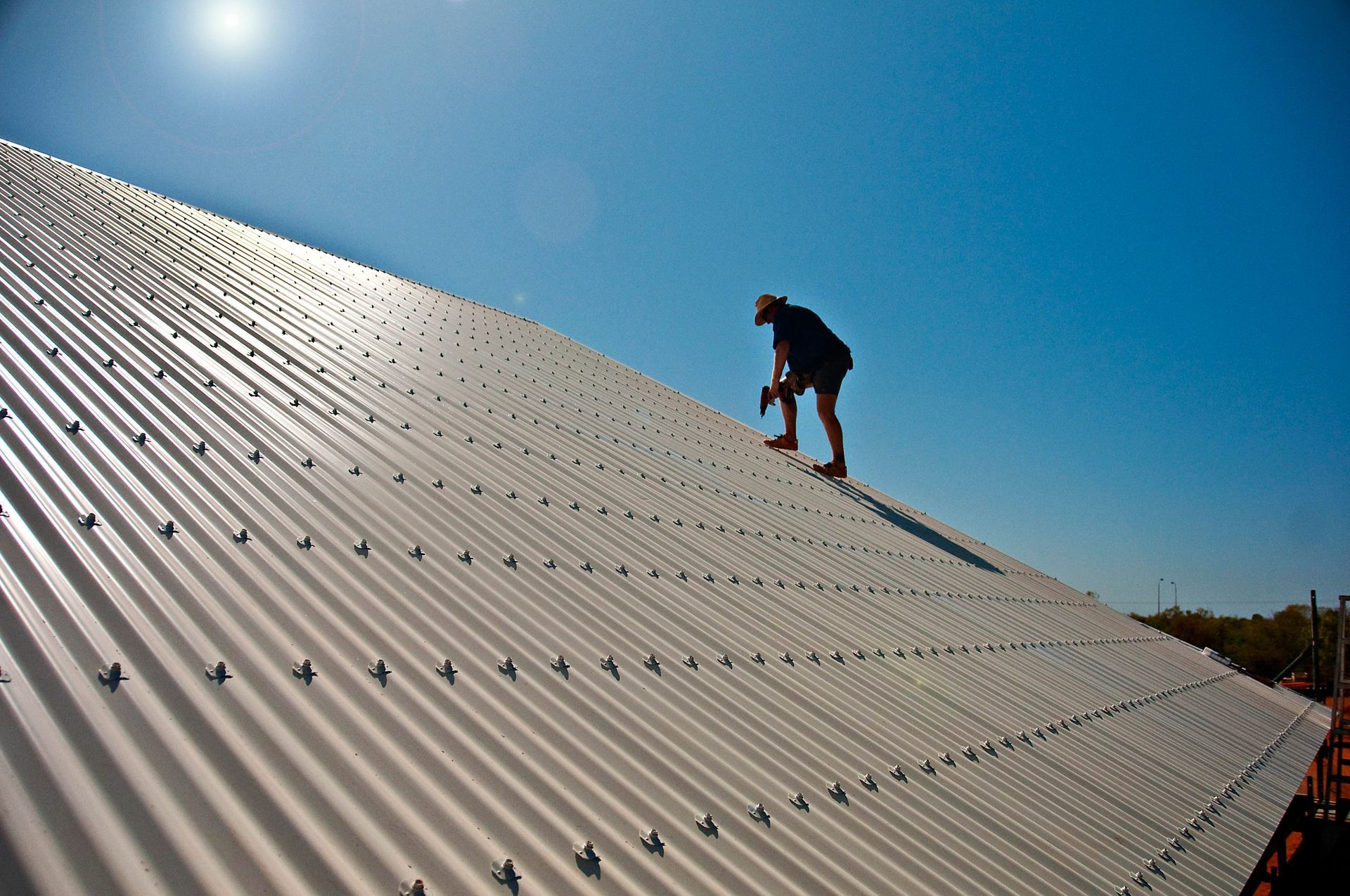
Metal roofing offers a wide range of styles, colors, and finishes that suit different architectural designs. It can replicate traditional materials while maintaining modern performance advantages. This makes it adaptable for both classic and contemporary homes.
It also supports customization in panel design and layout. This flexibility allows it to fit unique structures and accommodate features like skylights or ventilation systems without limiting design options.
Texture and finish variations further expand visual possibilities, helping property owners match aesthetic goals without sacrificing durability or performance. This allows roofing systems to contribute to overall curb appeal rather than functioning as a purely structural component.
Design flexibility also helps in renovation projects where matching existing architecture is important. Metal systems can be adapted to blend with older structures while still upgrading overall performance standards.
Improving Cost Effectiveness
While installation costs can be higher initially, long-term savings often outweigh upfront investment. Reduced maintenance, fewer repairs, and extended lifespan all contribute to lower total ownership costs.
Insurance benefits may also apply in some cases due to its resistance to fire, impact, and severe weather. This can help reduce ongoing expenses depending on location and coverage policies.
Property value can increase as well, since buyers often prefer durable, low-maintenance roofing systems. This improves resale potential and market appeal over time.
Another factor is reduced lifecycle replacement planning. Instead of budgeting for multiple roof replacements over decades, owners can plan for a single long-term system. This simplifies financial forecasting and reduces long-term uncertainty.
Supporting Installation and Maintenance
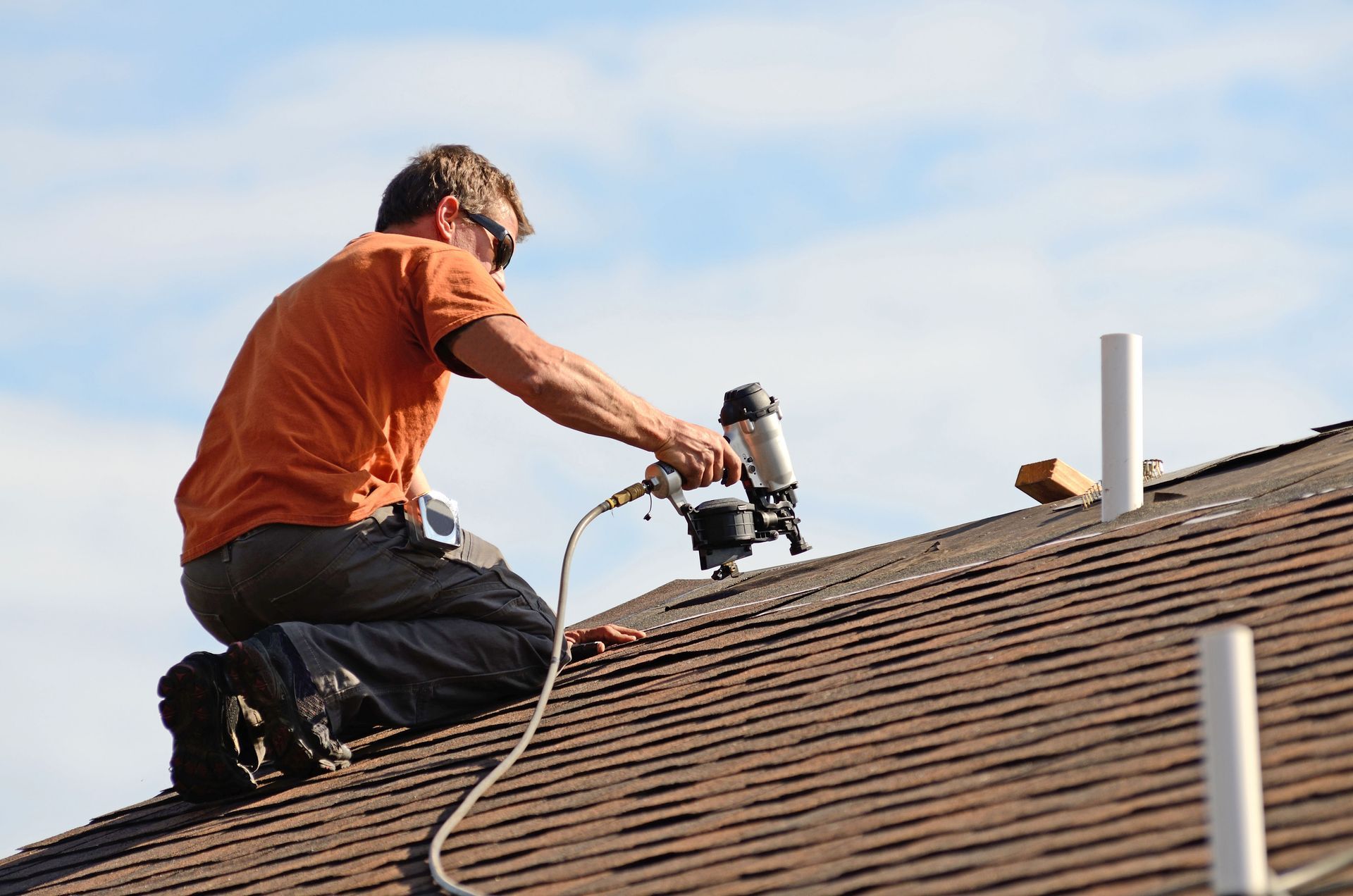
Proper installation is essential for performance, ensuring strong sealing and structural stability. When installed correctly, it provides reliable protection against leaks and weather damage.
After installation, maintenance remains minimal. Periodic inspections and light upkeep are usually sufficient to maintain condition. This reduces long-term service requirements.
In some systems, protective coatings help preserve appearance and performance over time, reducing wear from exposure and extending usability.
Installation efficiency also contributes to project predictability. Modern systems are often designed for faster assembly, which can reduce labor time compared to more complex traditional materials. This helps streamline construction schedules and reduce disruption during installation.
Expanding Real-World Practical Benefits
Beyond technical advantages, metal roofing also supports everyday usability improvements that matter to property owners. One often overlooked benefit is noise performance when installed with proper insulation layers. Contrary to common assumptions, modern systems can reduce external sound levels effectively when designed correctly, making indoor environments more comfortable.
Another practical benefit is resistance to pests and biological damage. Unlike wood-based materials, metal does not provide a food source or habitat for insects, reducing long-term structural risks. This adds another layer of reliability for property owners in diverse climates.
Metal roofing also performs consistently in fire-prone regions due to its non-combustible nature. This can provide added peace of mind in areas where wildfire risk or external fire exposure is a concern. Combined with its structural stability, this makes it a strong protective option in high-risk environments.
Additionally, long-term performance predictability makes planning easier for property owners. Instead of frequent budgeting for repairs or replacements, maintenance schedules remain stable and predictable. This consistency supports better financial planning and reduces unexpected costs over time.
Roofing decisions influence long-term cost, comfort, and property performance, making material selection an important investment factor. Metal roofing continues to gain attention for its durability, efficiency, and design flexibility across different applications. It supports lower maintenance demands while improving energy performance and overall building resilience.
Over time, its combination of longevity, sustainability, and cost efficiency creates strong long-term value for property owners. These advantages align with modern expectations for both residential and commercial construction, where performance, durability, and responsible material use are increasingly prioritized in decision-making. Rather than focusing only on upfront installation costs, many property owners now evaluate how a roofing system performs across its entire lifespan, including maintenance demands, energy impact, and replacement cycles. This broader perspective highlights the practical advantages of materials designed for long-term stability and efficiency.
The Roofing & Supply Co. provides expert support to help you choose the right roofing solution for lasting performance and value, with guidance focused on matching material selection to building needs, climate conditions, and long-term budget goals.